Fence Installer Tips for a Cleanser, Stronger Finish
A fencing can look straightforward from the path, but once you stand at the line with a degree in your hand and wood dust on your sleeves, you realize it is a system. Posts established the toughness, rails regulate the form, pickets or panels decide the appearance, and the surface work ties everything with each other. If you want a cleaner, stronger result, the difference normally comes from a handful of behaviors fencing installers develop over years, not from fancy materials.
Whether you are employing fence contractors, you are coordinating a fencing company, or you are a Fence installer (or Fencing Installer Melbourne design staff) aiming for a sharper finish, these suggestions will certainly aid you obtain tighter lines, straighter faces, and a fencing that holds up when weather condition turns.
Start with the line, not the timber
The neatest fence the world can still look wrong if the format is off. Prior to any message goes in, you need a clear referral line and choices that match truth on the ground.
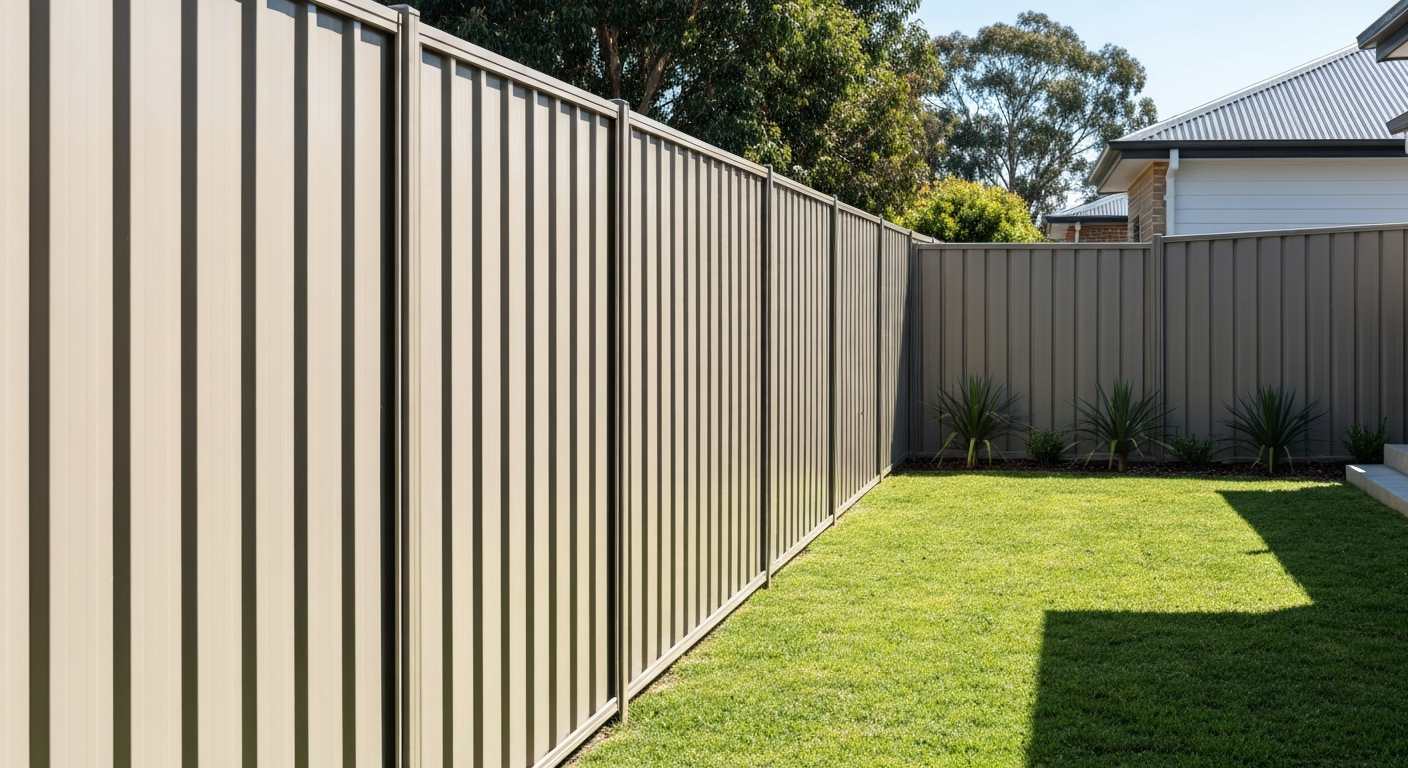
In several Melbourne jobs, the ground is not just irregular, it can be awkward. Tree roots, garden beds that used to be grass, hidden services, and refined drops toward drains all make "square and level" a relocating target. A fencing contractor Melbourne task might require additional care around council containers, footpath proximity, and where runoff wishes to flow.
A little sensible habit: mark the fencing line with string and risks, then stroll it from both sides. If you are only looking right along the line, you miss whether the fencing will visually "lean" into one neighbor greater than the other. That issues, because fencings read best when they look well balanced from the street as well as from inside the property.
Also take into consideration how you are taking care of corners and gateway openings. Gate frames are unforgiving. If the line is not constant there, the remainder of the fencing will certainly look uneven even if every article is "plumb".
Digging blog posts: sanitation and uniformity defeated brute force
Strong fencings begin with solid blog post placement. The post hole is where the majority of fence installer Melbourne crews silently make their credibility, due to the fact that it is where the strength is either secured or tossed away.
If you are making use of concrete, the information still matter. You want clean openings, steady side wall surfaces, and proper depth for the soil conditions. If you are going to pour concrete around a blog post, you should avoid putting into loose, falling apart dirt that falls down after you pull the post into position.
An idea that appears fundamental, yet saves rework: maintain the article hole measurements constant from one end to the other. In actual sites, it is easy to drift a couple of centimetres here and there while you are working quickly. That drift becomes rail misalignment, after that picket spacing issues, then that last panel does not sit right and suddenly everyone is searching for "one more" adjustment.
When you set the messages, watch on 3 things simultaneously:
- plumb (upright)
- alignment (line)
- height (level top)
You can not eyeball all three and anticipate it to come out clean. Use a line to establish alignment, a spirit level or laser to validate plumb, and a measurement approach to keep elevation consistent, especially if you have multiple article tops fulfilling the same rail setup.
Anchor the post appropriately, specifically near gates
Gates are the stress test. Posts near gate openings take side tons every single time eviction is pushed open, drew shut, or caught by a gust.
I fence contractors Melbourne have actually seen fencings that look great during installation however sag around gateways within a season due to the fact that the post base was treated like every other article. Even if the design is the same, the structure isn't. If you are handling a hinge side, you require a foundation that withstands motion and a blog post that remains real while you mount the hardware.
From a fence company perspective, the most effective method is to treat gateway posts like structural aspects. Utilize the appropriate article size, confirm the post orientation prior to concrete collections, and see to it the concrete mix and placement do not leave spaces around the base. Voids might not be evident while you work, but they turn up as looseness or slow-moving motion after treating and settling.
Rail setup is where "clean" becomes obvious
Once blog posts are proper, rails make a decision exactly how specialist the fencing looks. Straight rails produce limited darkness, even spacing, and constant lines. Uneven rails develop that fluctuating impact individuals complain around, even if pickets are "practically" aligned.
A fencing contractor will typically run a reference line for rail placement and after that determine drop factors or spacings. Do not rely upon memory or guesswork for the very first rail height. If you want a cleaner surface, gauge the first rail, secure it in, and then utilize that rail as the design template for the rest.
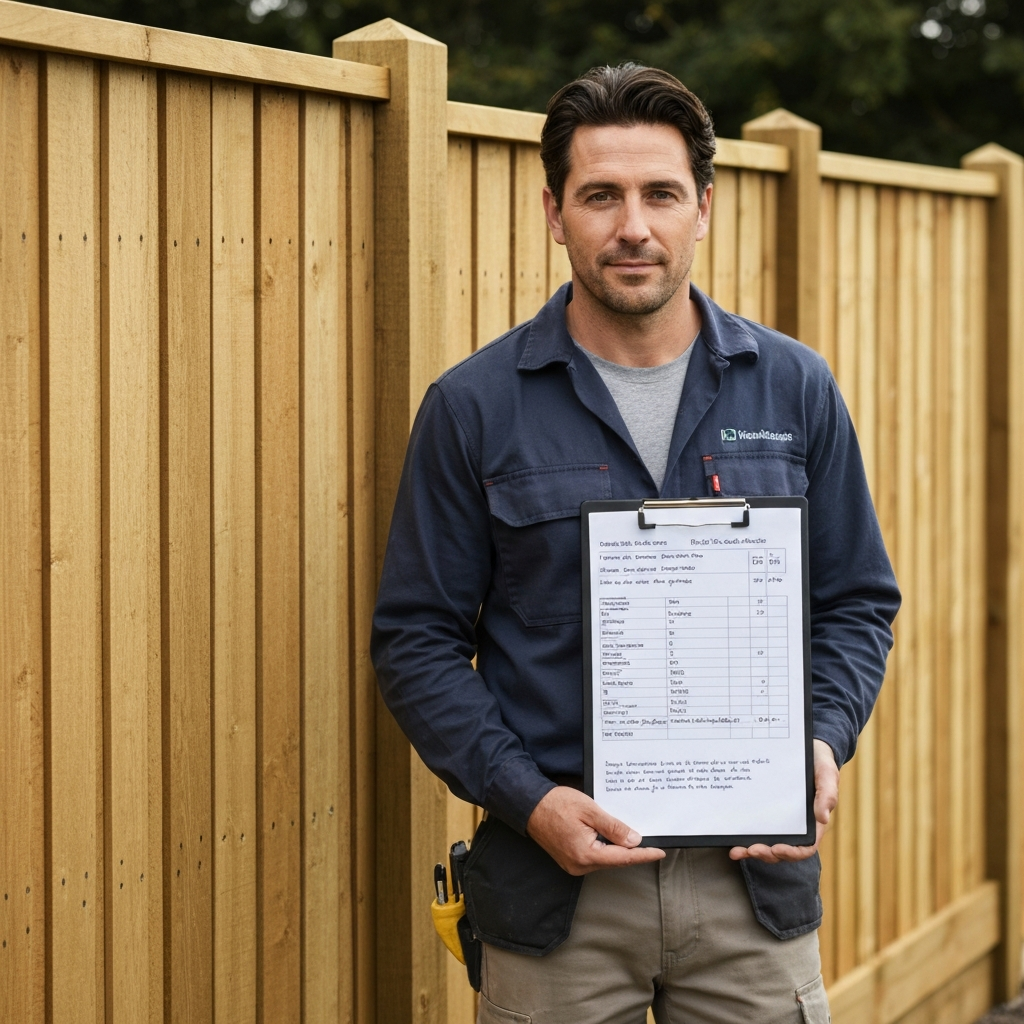
An information that matters: when you mount rails, check for twist and straightness. Hardwood rails can be slightly twisted out of the stack. If you install them "as found," you can end up fighting tiny positioning problems for the next day.
If you are handling longer runs, inspect your rails mid-span. A droop can be small but noticeable once pickets are mounted. You can stop it with right rail spacing, correct repairing points, and sometimes adding intermediate assistance if the design calls for it.
Spacing technique: utilize a consistent gauge, not your eyeballs
Even spacing is the main reason individuals rely on a fence installer. It's additionally the hardest component to keep regular when you are exhausted or the site is busy.
The cleaner method is to select a spacing method and adhere to it. Some installers use a spacer block, others use a measuring jig, and many use a combination: spacer for pickets, measurement checks for the very first and last positions.
Here is the trade-off that shows up constantly: on uneven ground, compeling perfect picket spacing without adjusting to the incline can create a "checkerboard" appearance. You need to decide early just how your fencing will read. Will you adhere to the slope with consistent top line, or will you step the base while maintaining the top line constant? Both can look great, however only if executed with intention.
If you want a smooth visual result, select your guideline and apply it throughout the whole run. Changing spacing "as you go" usually makes the fencing look like it was built by someone improvising.
Cutting and finishing: leave time for the ugly parts
A fencing looks clean as a result of what you do in the much less noticeable moments. Where most DIY fencings lose factors is at the cut finishes, the taking care of areas, and the locations water collects.
For lumber fences, treat the cut ends as architectural surface areas. If you cut through sealed or dealt with hardwood without re-protecting the revealed end grain, you can welcome early wear. An excellent fence installer does not hurry that component, also if it feels tedious.
For metal or composite components, the same concept uses: check for sharp edges, make sure dealing with factors are clean, and apply any kind of advised protective finishings where needed. The objective is a finish that does not weaken swiftly at the user interface in between materials.
Another lived-experience information: when you cut multiple similar sizes, do it in a rhythm. Action when, verify the cut size against the initial "test" item, and after that cut the remainder. Jumping between determining and cutting without a system usually leads to small length variations that are visible after setup, particularly on fences with panels that should line up.
Weather understanding: healing, rainfall, and establishing mistakes
Concrete healing and lumber tolerance are 2 problems that can quietly spoil a strong finish.
If rain is forecast not long after you put, you require to shield freshly positioned concrete from washout and surface area erosion. A fence contractor who comprehends regional conditions will intend scheduling to stay clear of pouring right before tornados, specifically when you are managing several posts in one line. If you need to pour throughout a damp period, you adjust the process. You stop earlier, keep holes covered, and prevent moving posts as soon as positioning is set.
With wood, humidity changes can a little affect straightness and rail positioning. If you mount pickets tightly prior to lumber has resolved, you may see movement that develops voids or irregular faces later on. This is where experience assists. A fencing installer Melbourne crew often uses excellent sequencing: established messages and rails, enable any kind of required settling time, after that install pickets with constant fixings.
Fixings and bolts: the tiny options make a decision lasting performance
The mendings are not just "hardware," they are the connection points that hold the fencing with each other with wind, resonance, and duplicated anxiety at gateway locations. If the wrong bolt type is used, or if fasteners more than driven, you can harm lumber and decrease lifespan.
An usual scenario: somebody chooses a fastener due to the fact that it feels secure, however it splits the hardwood or draws the board somewhat out of airplane. That creates a causal sequence across the fencing. The fix might feel minor while setting up, however it becomes a noticeable line difference when multiple boards are connected.
A clean-install attitude is to drive repairings without squashing the hardwood, maintain them at the proper position, and avoid placing them where they will collide with knots, splits, or rail edges.
If you are working with pressure-treated lumbers, check whether your picked timber is designed for subjected outside usage and whether the advised mendings match that use. This is among those "uninteresting" decisions that divides a fence installer from a professional who simply desires the task completed.
Gates and frames: align as soon as, then mount with patience
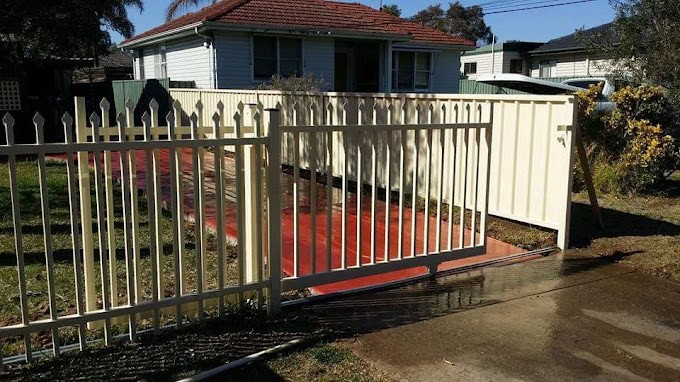
Gate installs are where fences get either polished or unpleasant. Even if the fencing line is perfect, a gateway that rests crooked makes the whole location look off.
An expert approach is to dry fit crucial components where feasible, verify clearances, and afterwards take care of one side at a time while checking alignment. For hinge-side posts, make sure the hinge equipment rests flat and true. If you alter a joint slightly, it can look penalty in the beginning and then bind after a week, specifically when the wood or equipment expands and agreements with Melbourne's transforming conditions.
Also think about how your fencing handles sloped ground near gate thresholds. Eviction needs an opening that stops dragging while still preserving a regular appearance. If you neglect that and compel a one-size-fits-all option, you end up with scuffing, irregular gaps, or a gate that never feels smooth.
Fence installer tips that keep lines straight
You can have the appropriate materials and still wind up with a fencing that looks irregular because of process. Straight lines are commonly an outcome of exactly how you move down the job site, just how you examine alignment, and just how you manage the "in-between" stages like rail supporting, temporary supports, and fixing minor offsets before they secure in.
Here are a couple of functional behaviors that assist across timber and panel systems.
- Use string lines and view checks at multiple angles, not just from one viewpoint.
- Confirm message heights as you go, then recheck after rails are installed.
- Keep your spacers consistent, and validate the very first and last picket placements often.
- Align the rail system before devoting to final picket fixing.
- Protect reduced ends and user interface factors so the fence holds its finish.
That five-item state of mind sounds simple, but it transforms the job result. The distinction between a fencing that looks "respectable" and one that looks "correct" usually comes from those checks.
Common problems I've seen on genuine jobs
No one likes repeating mistakes, however it assists to identify patterns. Below are a few of the problems that appear in fence contractor jobs when time is limited or when details are skipped. These are also the problems you can inquire about when you contrast quotes from Fence company options or Fence installer Melbourne providers.
- Posts not set to the ideal depth or otherwise maintained effectively before concrete remedies, resulting in later movement.
- Rail placement thought instead of measured, triggering subtle waves across lengthy runs.
- Inconsistent picket spacing as a result of no gauge or no approach for inspecting the first and last boards.
- Cut finishes left untreated or exposed, leading to quicker weathering at the most susceptible points.
- Gate blog posts treated the like normal blog posts, then sagging starts at joint equipment after repeated use.
If you are working with the task, you can use this list as discussion starters. A good Fence installer will certainly recognize these dangers and clarify how they protect against them.
Choosing the ideal fence contractor for a cleaner outcome
People buy cost initially, after that wonder why their fence looks average. Rate issues, however the cleaner finish you want is mostly regarding workmanship discipline: layout precision, post and rail arrangement, fixing treatment, and ending up details.
When you speak to Fence contractors, ask concerns that disclose process, not just product. You can learn a whole lot by how they respond.
For instance:
- Do they set a reference line and validate elevation guidelines prior to digging?
- How do they take care of sloped websites and still keep the visual line consistent?
- What do they do to shield cut ends and at risk edges?
- How do they manage gate alignment and hinge-side reinforcement?
A Fence company that works consistently will be comfortable responding to these. If the solutions are obscure or purely product concentrated, you could be spending for materials, not for the construct high quality that makes the fence appearance sharp.
If you remain in Melbourne, you must also look for a group that regularly manages the regional truths, consisting of dirt variation, drain considerations, and the method buildings often change between lawn, paving, and garden beds. Fence installer Melbourne professionals often tend to have cleaner operations because they have actually seen the very same "surprises" many times.
Maintenance is part of toughness, not an afterthought
A strong finish is still a living thing. Timber expands, coating systems use, fasteners can loosen up slightly with seasonal activity, and gateway hinges constantly obtain stress.
The ideal fences are not "fire and forget." Even when every little thing is constructed properly, a little maintenance keeps the fencing looking brand-new and working smoothly.
A practical strategy is to examine at predictable intervals. Try to find indications of activity around articles, loose correctings near gate hardware, and very early layer break down at cut ends or scratches. Little touch-ups are cheaper than changing sections later.
Also, stay clear of trimming or clearing plants in a manner that develops constant wetness traps versus the fencing face. Greenery can decrease air movement and maintain surface areas wet longer than you expect.
How to obtain a cleaner surface even if you're remodeling an existing line
Many fencing work include partial replacement. You may be working beside an old section, changing for a new entrance, or matching the height of a fencing that was installed years ago.
That's where judgment matters. It is alluring to just determine off the closest old message and continue. But if the existing section is currently a little out of square, you could secure a visual misalignment.
A cleaner outcome comes from picking a "master recommendation." Occasionally it is your house frontage. Often it is a degree line established across the lawn. The fence contractor after that functions from that recommendation instead of copying existing errors.
When you integrate brand-new lumber with older areas, anticipate variant in colour and weathering tone. If the old lumber is currently matured, brand-new boards will certainly stick out. The repair is not constantly instant paint, but you need to prepare for completing compatibility so the fence looks deliberate rather than patched.
The finishing touch individuals notice: regular face and clean edges
When everything is appropriate, the fence face has a calmness, also look. That comes from:
- consistent board orientation
- clean cut lines
- careful dealing with placement
- no noticeable voids where the eye expects a straight line
It likewise comes from exactly how you handle sides at edges and where fencings satisfy wall surfaces or messages. Those transitions are where sloppy finishing shows up. A skilled Fence contractor will hang out on those joints, due to the fact that they are the points your eye captures when you walk past.
If you are hiring Fencing contractors, focus on whether they talk about edge job, not just general products. It is very easy to forget the small information when you concentrate on the big measurement, but those joints are typically the difference between "sufficient" and a fencing that looks expertly built.
When you need to decrease and take additional care
Some minutes require even more patience. A fence installer is not just relocating down the line, they are choosing under real conditions.
For circumstances:
- when ground is extremely uneven and the fence line needs a consistent policy for slope
- when there is a gate opening that has to operate smoothly
- when you are matching to existing fence elevations and alignment
- when you are near services, drains pipes, or tricky access points
- when wind and site conditions make it difficult to maintain articles secure during set time
Slowing down below is not lost time. It prevents the type of rework that eats your budget plan later. A clean fencing is usually the result of discovering where the work will resist, after that valuing those spots.
Final idea: toughness and sanitation are built in the very same places
A cleaner finish is not separate from a more powerful fence. The exact same practices that correct lines additionally improve structural stability. Great design lowers stress and anxiety on rails. Appropriate blog post positioning stops spin and sag. Correct fixing methods keep the face real and durable. Care around gateways safeguards the highest-load points.
If you are picking a Fence company or contrasting fence installer alternatives in Melbourne, look past the pamphlet images. Ask just how they set the line, how they handle unequal ground, and what they do at the cut finishes and joints. You are really employing for process, not simply materials.
And if you are the Fence installer doing the work, the best advice is to remain disciplined at the beginning of each stage. When you devote to consistent dimension, thoughtful sequencing, and protective ending up details, you wind up with a fencing that festinates on the first day and still holds its form long after the climate has had its turn.